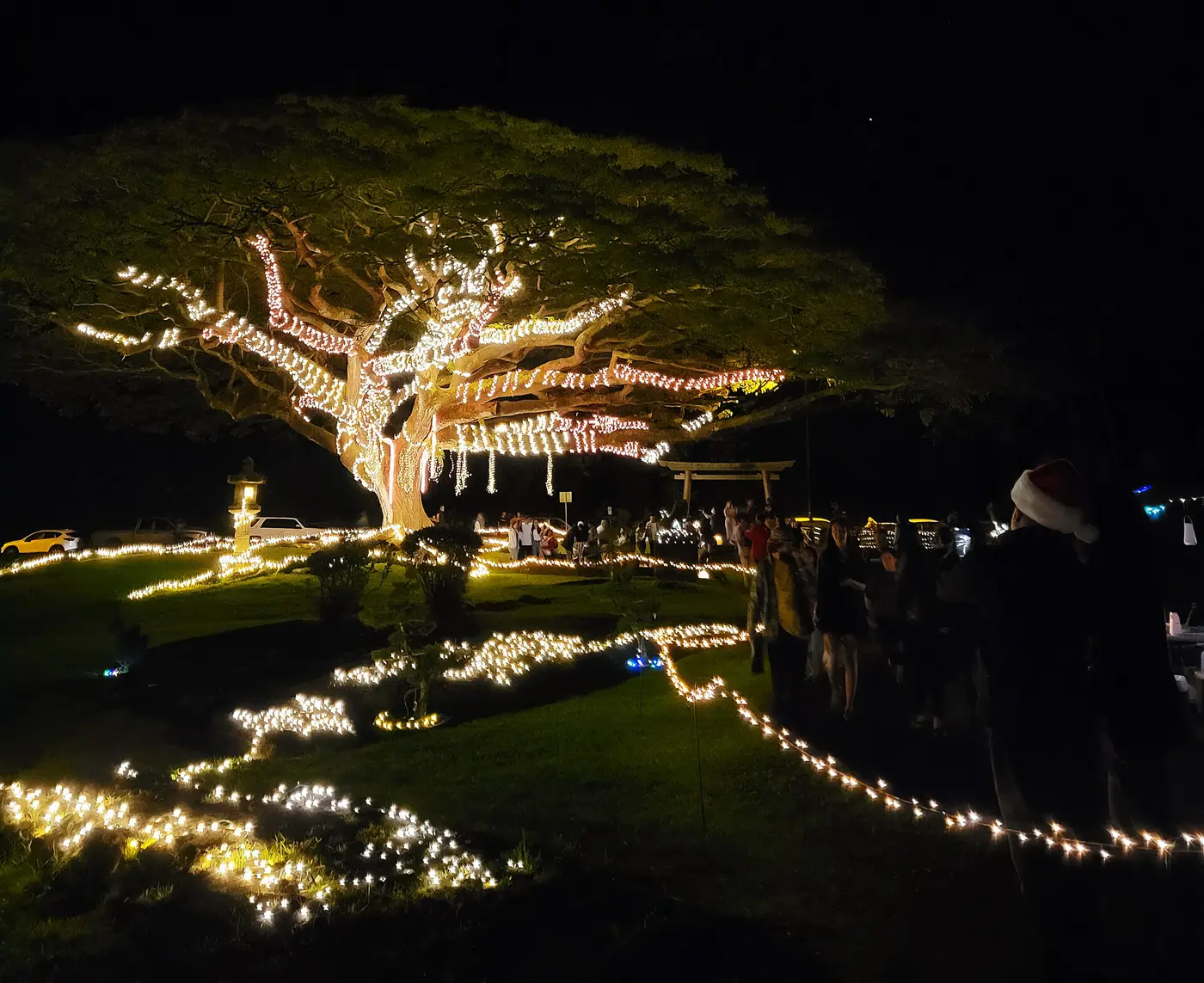
Keeping an old travel blog online means rereading it, and rereading it is humbling. The guides on this site were written fast, between 2023 and early 2024, mostly to answer search questions: what to do in Hilo, where to eat in Pismo Beach, how to reach a beach on Kauai. Some of them still read well. Some of them use the word breathtaking four times before the first heading.
We left the text as it was published, because that's the point of an archive. But going through it with a red pen taught us something useful about writing a place, and since a lot of people who end up on travel pages are also trying to write about a trip, for a blog, a class or an application, it seemed worth putting down.
The sentence that works: a nine-car parking lot
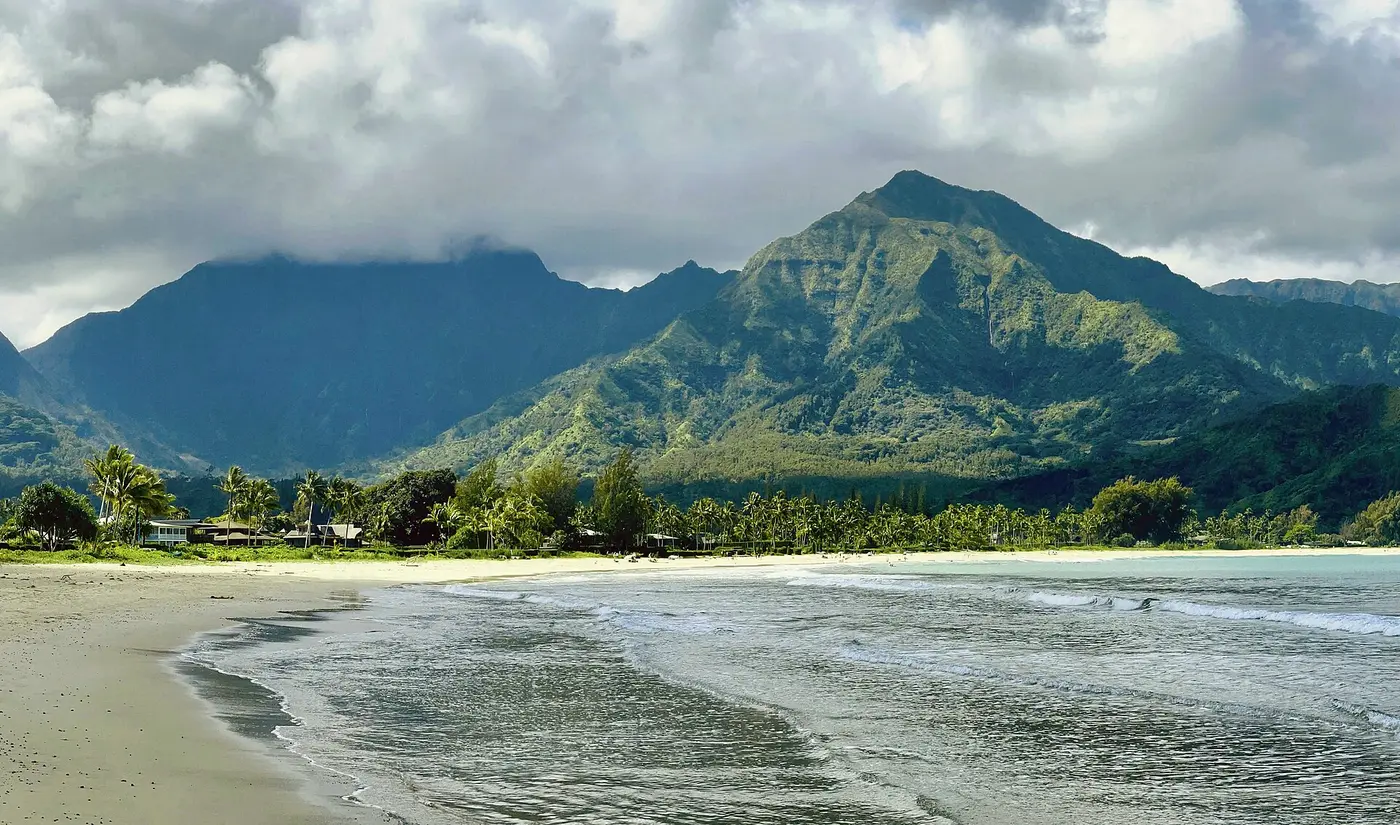
The most useful line in our Hideaway Beach guide is not about the beach at all. It's the instruction to find the big resort at the end of Ka Haku Road in Princeville (the St. Regis when the guide was written, 1 Hotel Hanalei Bay today), look for the small public lot near the gatehouse with room for about nine cars, and then find the stairs on the ocean side, steep and fitted with ropes and bars. You can picture every step of it. You also know, before you go, that you'll need to arrive early and wear real shoes.
Compare that to the same guide's description of the beach itself: blue water, soft sand, lush surroundings. True, and also true of a few hundred other beaches. The parking lot is what makes the page about this place and no other.
That's the first rule we'd give anyone: the detail only this place has beats the adjective every place has. If a sentence could be pasted into a guide about somewhere else without changing a word, it isn't doing much.
Count things
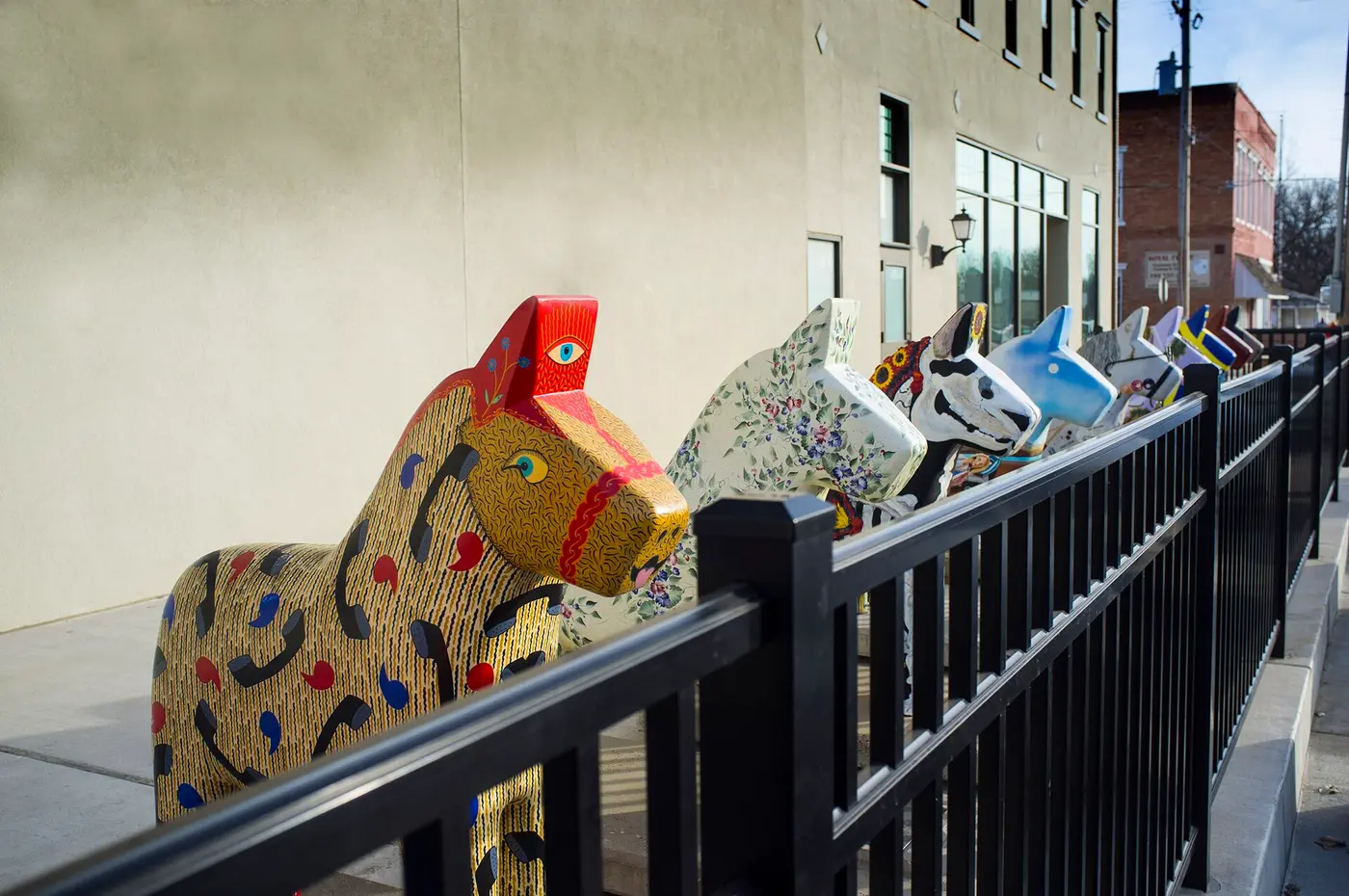
Our Lindsborg, Kansas guide opens its list with the Wild Dala Horse Herd: 31 painted horse statues around downtown, each by a different artist, each with a plaque explaining the idea behind it. That's a good paragraph, and the reason is the number and the plaque. You learn that the town treats its Swedish heritage as something to play with, not just preserve, and you learn it without anyone telling you.
Numbers do quiet work in description. A trail that is half a mile long and climbs through roots is a different trail from one that is merely challenging. A town of under four thousand people, as the Lindsborg guide notes from the census, explains why the main street feels the way it does. If you're writing about a place and stuck, count something.
Let a person show up
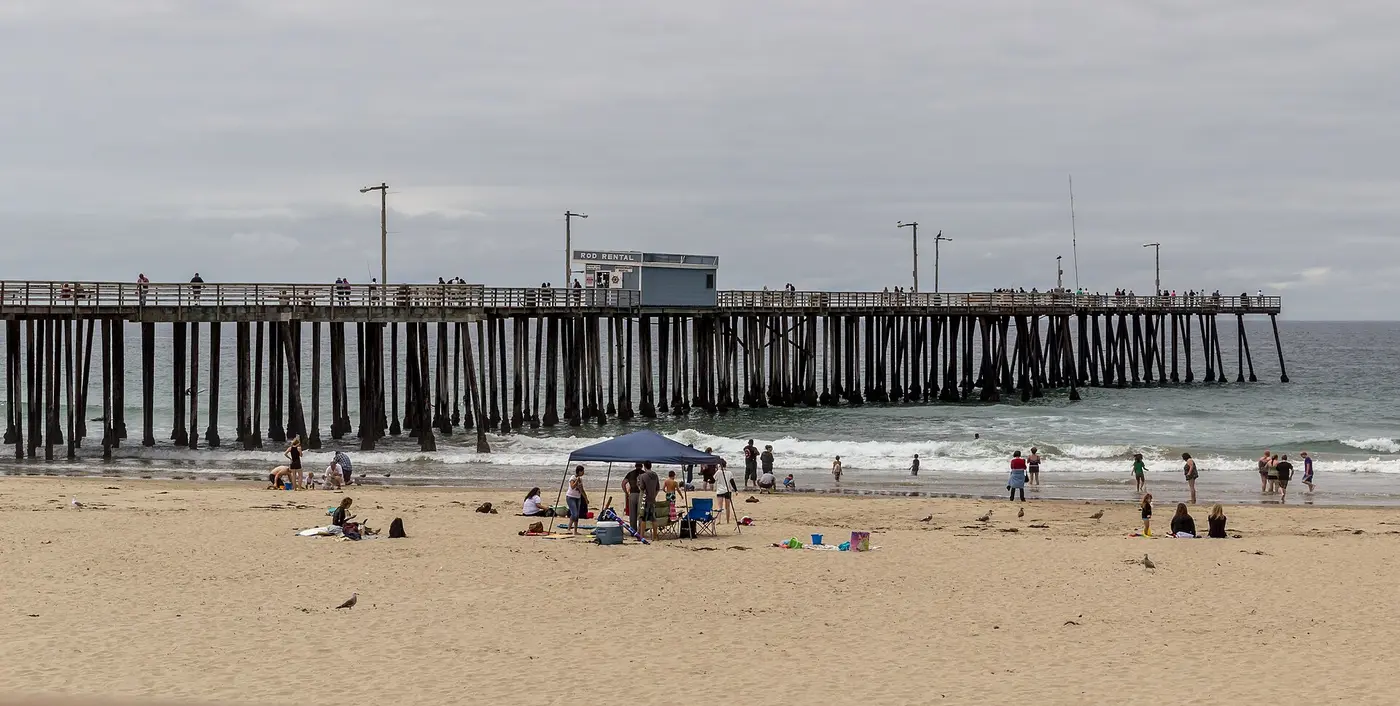
Most of our guides are written in a neutral, list-making voice. The ones that come alive are the ones where a person slips in. Halfway through our Pismo Beach restaurant guide, the writer stops summarizing and admits to craving the oysters at Oyster Loft, and later records that at the family pizza place on the list the server was on her phone and forgot the table twice. That small complaint does more for the guide's credibility than every glowing sentence around it. It sounds like someone was there.
The Hilo guide goes the other way. It is all voice, jokes and exclamation points, and it's fun for a paragraph. By the tenth activity the energy reads as noise. Voice works best as seasoning: one honest reaction per section, tied to something that happened.
This is the same advice you'll find in most teaching guides to the descriptive essay: pick a dominant impression, then choose sensory details that support it, and cut the ones that just repeat it in fancier words. A travel post is a descriptive essay with directions attached.
Beware of the sublime
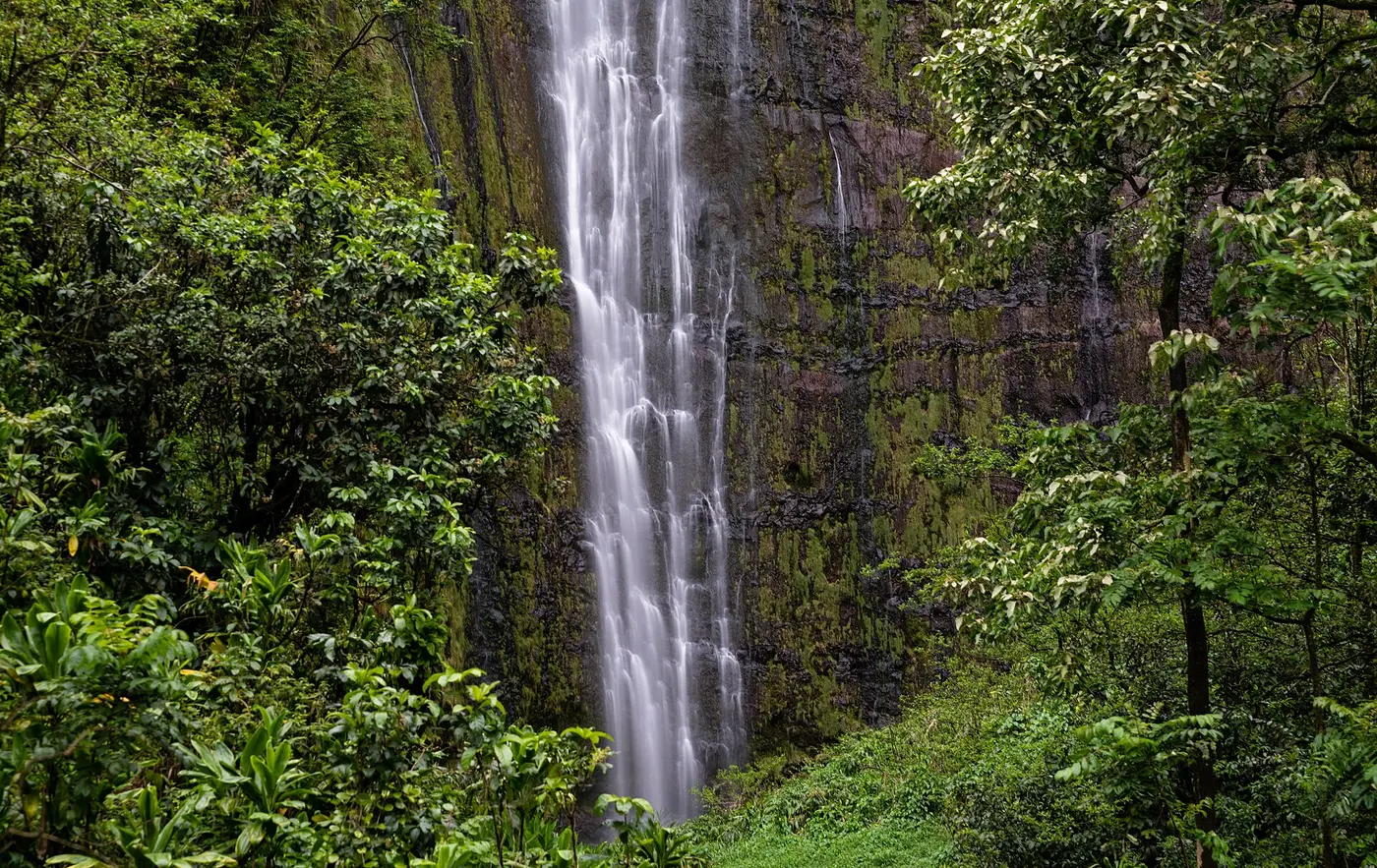
Waterfalls are where our archive struggles most. The Maui waterfalls guide covers fifteen falls, and it reaches for awe in almost every entry: towering, magical, mesmerizing. The paragraphs that hold up are the practical ones. Waimoku Falls sits at the end of the Pipiwai Trail, above the pools at Oheo. Upper Puohokamoa Falls used to be easy to visit and is now on private land and closed to the public. That second fact is worth more than any adjective, because it stops a reader from trespassing.
Big scenery tempts every writer into big words. The fix is to describe what you did there, not how it made you feel in general: the length of the walk, the noise, the spray, what the rocks were like underfoot, who else was standing there. Feeling comes through those details on its own.
Tell it in order
The guides that read best usually follow the shape of the day. Getting there, the first view, what went wrong, what was better than expected, the drive home. That's a story, and it's why some of our list posts feel flat: a ranked list has no beginning and no end, just items.
If you're turning a trip into a piece of writing rather than a guide, that chronological spine is the easiest structure to get right. The usual narrative essay advice applies almost word for word: one trip, not three; a clear turning point; an ending that shows what changed, even if what changed is small. A hike where you turned back before the summit can make a better essay than one where everything went to plan.
A note for students writing about a trip
Travel is one of the most common subjects for school essays and college application essays, which is exactly why it's hard to do well. Admissions readers see a lot of essays that open on a mountaintop or a beach at sunset and then explain that the trip changed the writer's perspective. The trip is rarely the interesting part. What you noticed, and what you did about it afterward, usually is.
The places in our archive suggest better starting points than the view. The nine cars that fit in the Hideaway lot. The plaque on a painted horse in a Kansas town of four thousand people. A forgotten order at a beach restaurant. Any of those is a more specific door into a story than a sunset. If you're working on an application essay, it's worth reading a few personal statement opening lines side by side to see how quickly the strong ones get to something concrete, and how many of the weak ones start with a dictionary definition or a sweeping claim about travel.
Emily Dickinson stayed home
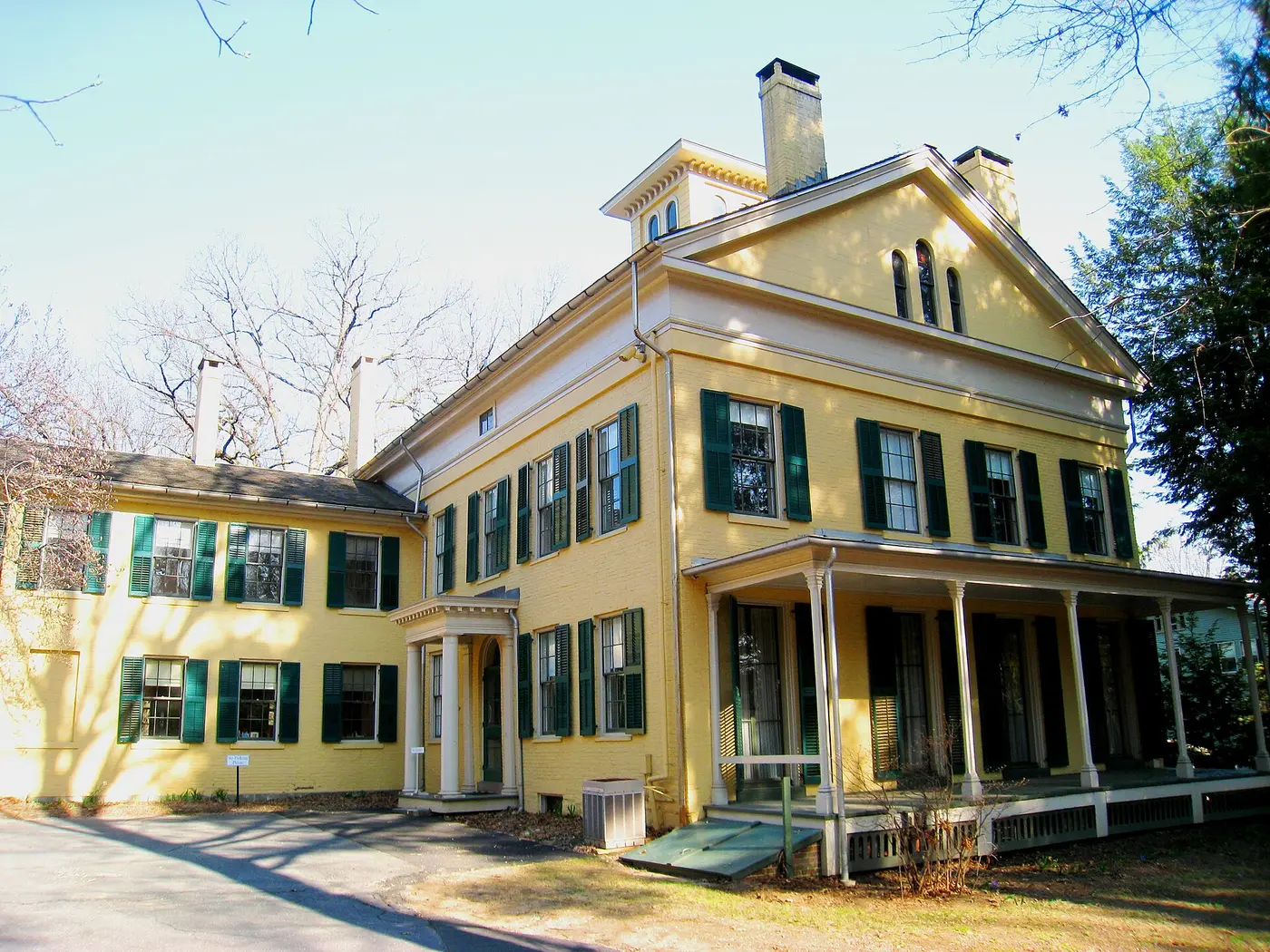
One more lesson, from the least likely guide in the archive. Our list of things to do in Amherst, Massachusetts includes the Emily Dickinson Museum, the house and grounds where the poet lived. Dickinson spent nearly her whole life in Amherst and wrote some of the most precise lines about light, weather and gardens in American poetry without needing to go anywhere.
It's a useful corrective for a travel writer. Distance doesn't make writing interesting. Attention does. You can write a good piece about a lagoon on Kauai or a town in Kansas or the street you grew up on, and the method is the same: look longer than feels necessary, write down what only this place has, and leave out the word breathtaking. We're still working on that last one.