Here is a situation plenty of people reading these beach guides will recognize: you wanted Hawaii, the flights or the dates didn't work, and now you're looking at the Caribbean. Is that a downgrade? The honest answer is that it depends on which Hawaiian beach you had in mind. So instead of comparing two places in general, we went back through our own beach guides and pulled out what actually made each beach good or bad for a particular kind of day. Then we checked those same things against the Punta Cana coast in the Dominican Republic, one of the most common places that search ends up.
The short version: a beach is a reef, a wave, a path to the sand and a parking spot. Get those four right and the rest is decoration.
1. The reef decides how the water feels
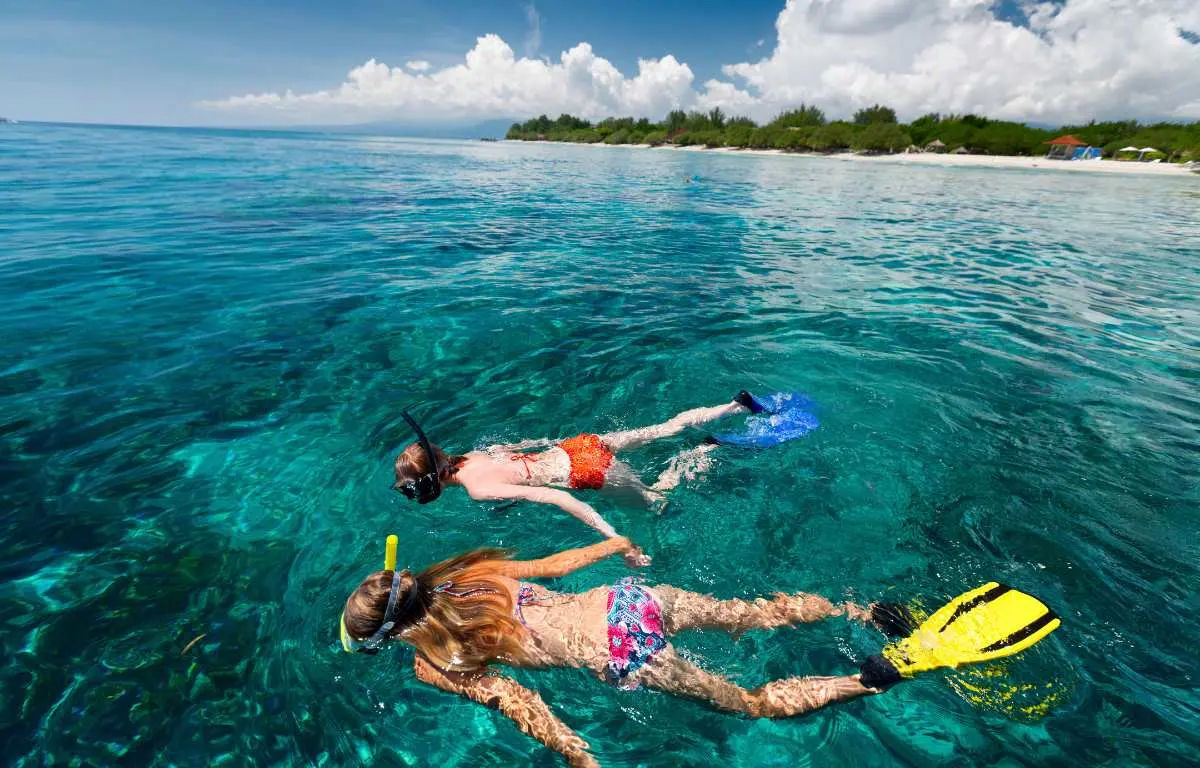
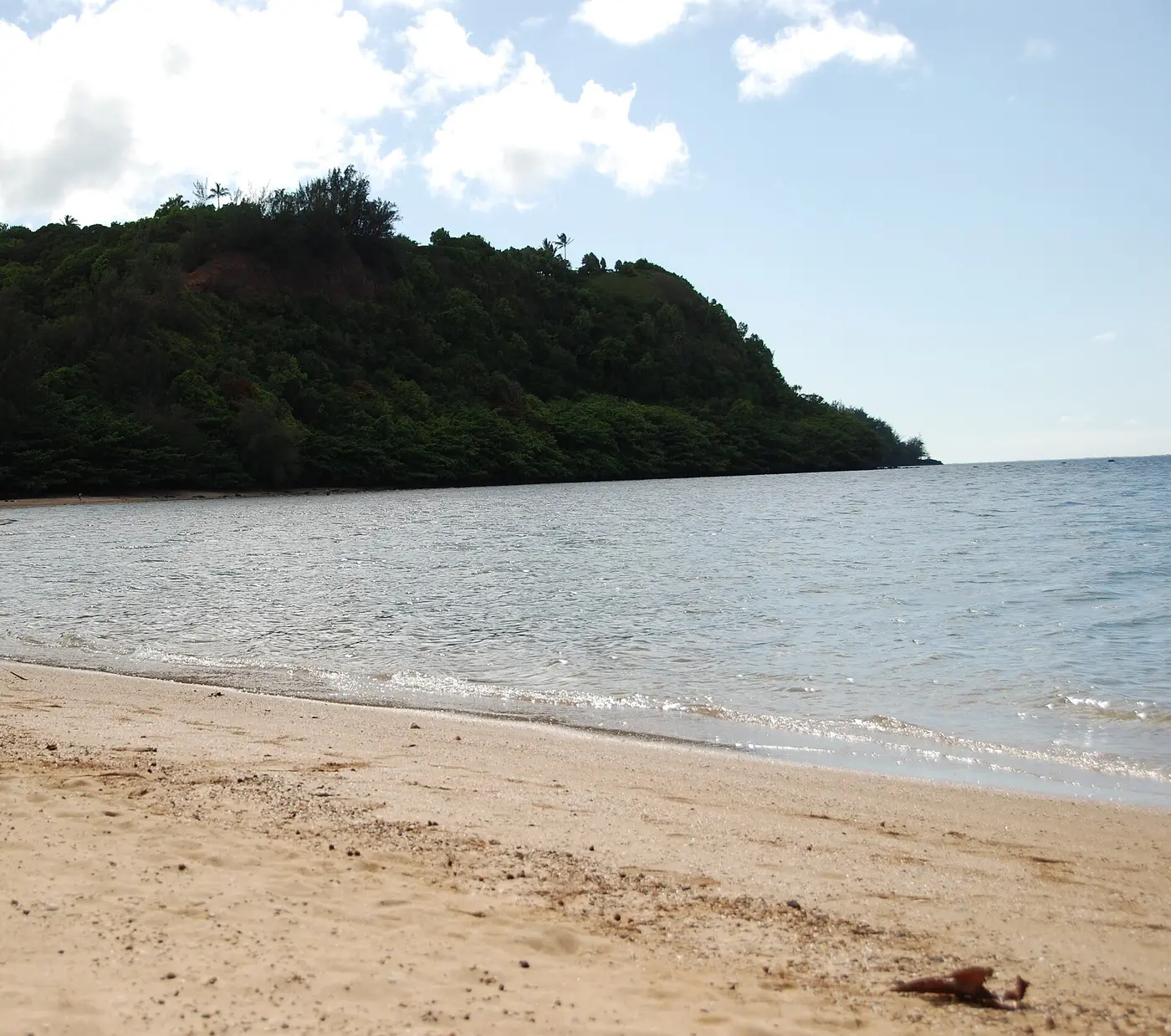
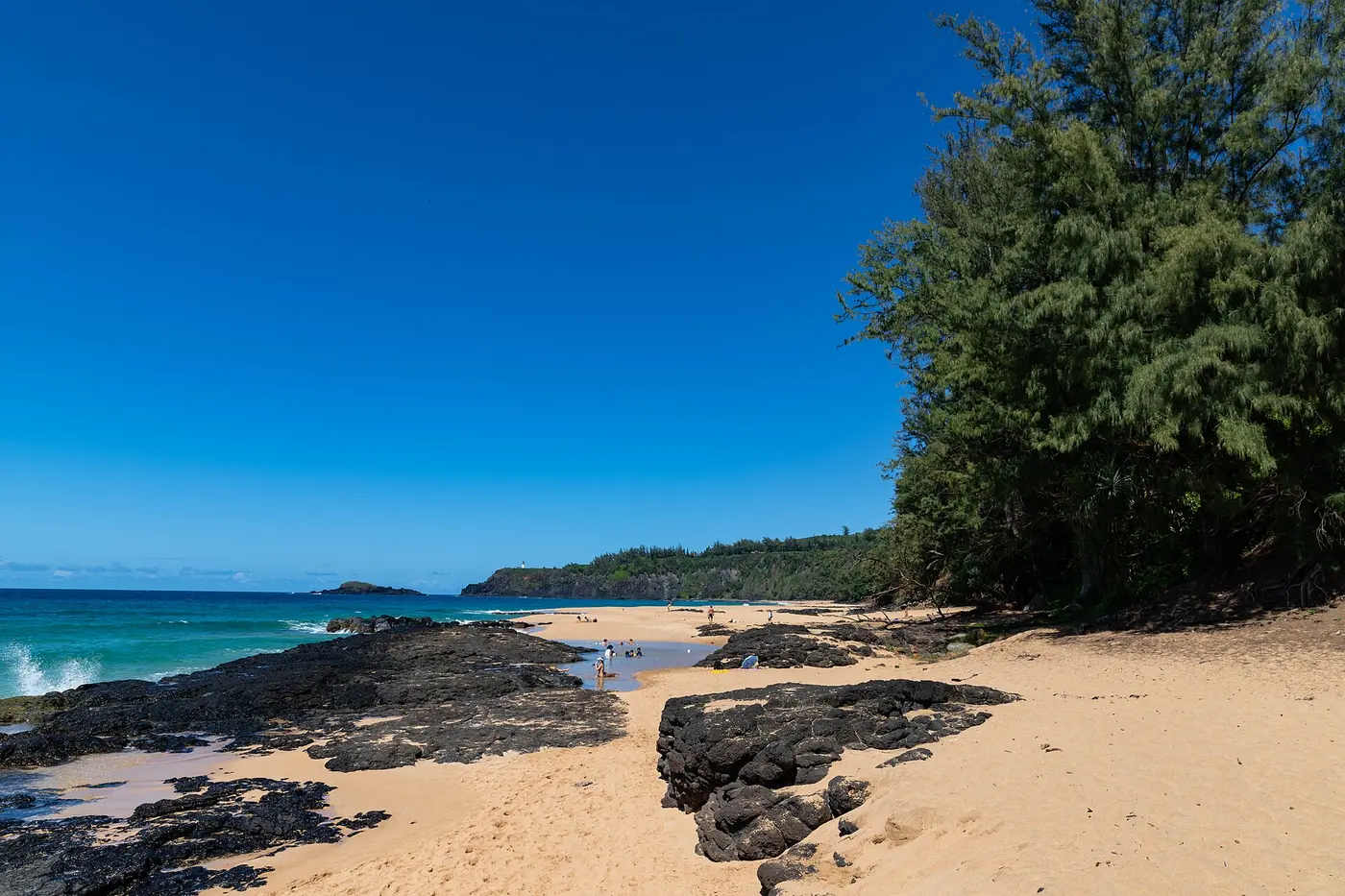
Our Lanikai snorkeling guide buries its best advice in the middle: snorkel in the morning, stay near the reef close to shore, keep your hands off the coral. What makes Lanikai calm is the reef sitting offshore and taking the energy out of the swell before it reaches the sand. The same is true of Anini on Kauai, where a long fringing reef turns the inside water into a shallow lagoon that families love. Both guides now carry a note we added this year: neither beach has a lifeguard, and the water outside the reef is a different animal.
Punta Cana works the same way, which surprises people who expect the Caribbean to be one big swimming pool. Bavaro, the long hotel strip, has a reef offshore and mostly gentle water inside it. Juanillo, at the southern end inside Cap Cana, is flatter still. If your ideal day is the Lanikai or Anini kind, floating over sand and coral with a mask, those are the stretches to look at. Our friends at Autodominicana keep a useful rundown of the beaches around Punta Cana that sorts them by calm water versus surf, which is exactly the split that matters.
One rule carries over word for word. Hawaii banned the sale of sunscreens with oxybenzone and octinoxate in 2021, and the reasoning behind the ban applies to any reef. Mineral sunscreen and a rash guard are a better habit than a better excuse.
2. The wave decides who should be in the water
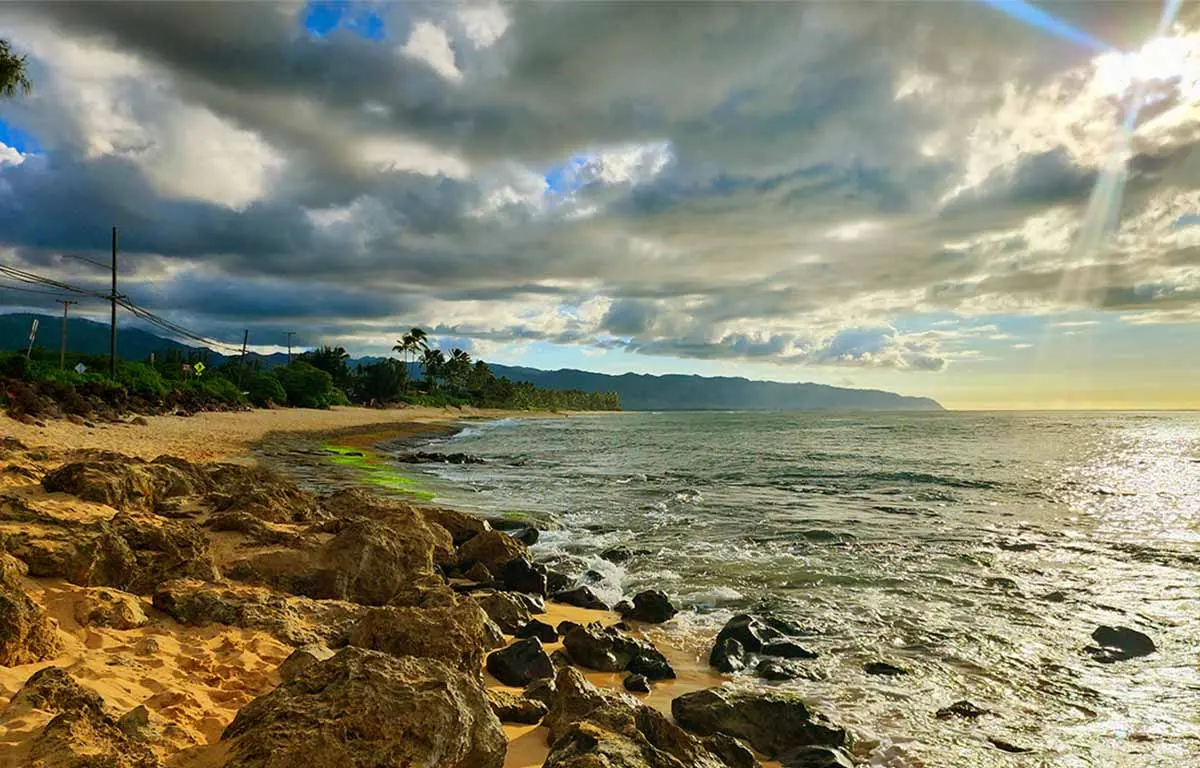
Laniakea on Oahu's North Shore is famous for turtles, but the guide is just as much about surf. In winter the North Shore gets big, and Laniakea becomes a place to watch from the sand. The turtles haul out on the beach to rest, volunteers often rope off space around them, and the right move is to stay back and let them sleep. Our 2023 guide says the turtles come here to nest; that part was wrong, and the page now says so. They come to rest and feed.
Punta Cana has its own Laniakea, minus the turtles. Macao, about half an hour north of the Bavaro strip, is open to the Atlantic swell and has a sandbar that holds a wave most days. That makes it a good beach for a beginner surf lesson and a poor one for an unsupervised swim in the middle of the bay, where the shore break and undertow are strong and there are no reliable lifeguards. Autodominicana's page on driving to Macao Beach is blunt about that, and also about the practical side: bring small pesos, expect basic restrooms, and leave before dark because the road has no street lighting. That is the same tone we tried to strike in the Laniakea guide, and it's the right one.
If you read only one line from either piece, make it this: the beach that photographs best is often the one where you should keep your feet on the sand.
3. The path to the sand is part of the trip
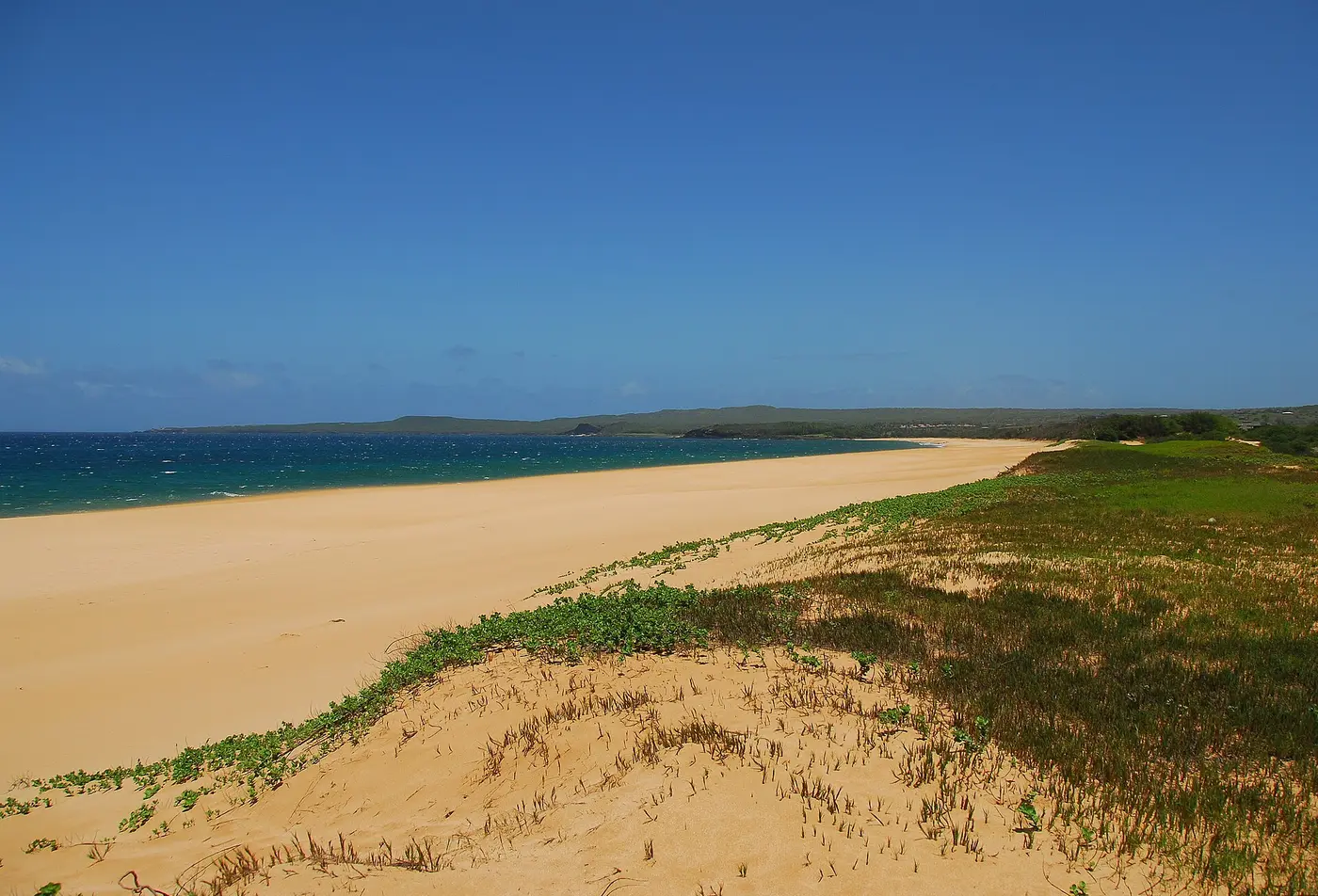
Some of our favorite Hawaii guides are about beaches you have to earn. Kauapea, the so-called Secret Beach, sits below a steep half-mile trail full of roots that turn slick after rain. Papohaku on Molokai is the opposite problem: almost three miles of sand on the island's quiet west end, easy to walk onto, hard to reach in the first place, and with camping that needs a county permit sorted out on a weekday.
The Caribbean version of the access question is different. In the Dominican Republic the first stretch of sand from the high-tide line is public by law, but much of the land behind the beaches along the Punta Cana coast belongs to resorts, so getting to the public sand can mean a gate, a guard or a long walk around. Juanillo is reached through the Cap Cana gate; you tell the guard you're going to the beach. Macao is one of the few beaches on that coast where a village, surf huts and food shacks sit right behind the sand instead of a hotel wall. None of this is hard. It just means you should know how you're getting in before you pack the cooler.
4. The parking spot decides your whole morning
This sounds petty until you've circled Lanikai for forty minutes. Lanikai has no public lot, the residential streets around the access paths are enforced hard, and most visitors end up parking in Kailua town and walking in. Laniakea's roadside parking along the highway is its own headache on a busy afternoon. Our Hawaii guides keep coming back to the same advice: get there early, before 9 if you can, and have a plan B beach ten minutes away.
That plan B is the real argument for having a car in Punta Cana too. Hotels on the Bavaro strip are built so that you never need to leave, and plenty of people don't. But the beaches people rave about, Macao for surf, Juanillo for flat water, Costa Esmeralda near Miches about an hour and a half away, are spread along a coast with no handy public bus between them. Taxis add up fast when you want to try two beaches in one day. If you'd rather keep your own schedule, the simplest setup is to pick up a rental car at Punta Cana airport when you land. Punta Cana International is the busiest airport in the country, so it's where most flights from the US arrive anyway. Driving is on the right, as at home; the main roads around Bavaro are paved, and the last stretch to some beaches is not.
5. Season matters more than the map
Our guide to the best months to visit Hawaii splits the year by what you want: whales from January to March, festivals in spring, calmer summer seas on the North Shore. That logic is right, and it is the part people skip when they compare islands to islands.
The Caribbean has two calendar facts worth knowing. The Atlantic hurricane season runs from June 1 to November 30, with most of the risk in late summer and early fall. And the east coast of the Dominican Republic can get mats of brown sargassum seaweed drifting in from the Atlantic, mostly in the warmer months. Sheltered strips collect it in lines; exposed beaches with steady swell tend to stay cleaner. The fix is the same one we give for a blown-out day in Hawaii: don't cancel the beach day, change the beach. Which, again, is easier with a car.
So, is it a downgrade?
Not if you choose the beach the way our better guides do. The Lanikai kind of day, calm water over a reef, exists on both oceans. The Laniakea kind of day, big surf you watch more than you swim, exists on both. What changes is the culture around the sand. Hawaii's best beaches sit inside neighborhoods and protected areas with rules you are expected to know: stay well back from resting turtles, book Hanauma Bay ahead, park legally. Punta Cana's best beaches sit between resorts and villages, and the rules are more about gates, cash and daylight.
If you're still deciding, here is the checklist we now use for any beach, in any ocean:
Reef or open water? Calm lagoon days go to reef-protected sand. Who is in the water today? If surfers are out and no lifeguard is posted, swimmers should think twice. How do I get onto the sand? A trail, a gate or a public access path changes what you can carry. Where do I park, and when? Early beats lucky. What's the season doing? Swell, rain, whales or seaweed.
Every one of those questions came out of a guide we wrote about Hawaii. They just happen to work everywhere else too.